
Leg Pressure: The Foundation of Every Lift
Series: "Strength Without Breaking"
Coach Gabe
4/7/20268 min read
Introduction to Leg Pressure in Lifting
Leg pressure is a fundamental principle in the realm of weightlifting that serves as the bedrock for effective and stable lifting performance. It pertains to the force exerted through the legs during a lift, which significantly influences the overall stability, balance, and power generated throughout the movement. Mastery of leg pressure is vital not only for achieving personal bests but also for ensuring safety during training sessions.
When weightlifting, the distribution of weight and the application of force through the legs allow athletes to maintain a solid base. This foundation is critical, especially during complex lifts such as squats or deadlifts, where the legs bear the brunt of the weight. By optimizing leg pressure, lifters can enhance their control and reduce the risk of injuries. Understanding how to engage and manipulate leg pressure effectively helps athletes maintain proper alignment and technique, which is essential for achieving lift completion successfully.
Furthermore, leg pressure can be thought of as an integral aspect of the lifting mechanics that allows the body to function as a cohesive unit. As lifters initiate a movement, they should focus on generating force from the legs, activating the muscles in the lower body, and using this energy to propel the lift. This approach not only leads to more efficient performance but also promotes muscular engagement throughout the kinetic chain, optimizing overall lift effectiveness.
In the following sections, we will delve deeper into the mechanics of leg pressure, exploring specific techniques and strategies for maximizing its benefits in various lifting scenarios. Proper harnessing of leg pressure will set the stage for triumphant weightlifting experiences, allowing athletes to elevate their performance while minimizing injury risks.
Understanding the Foot Tripod
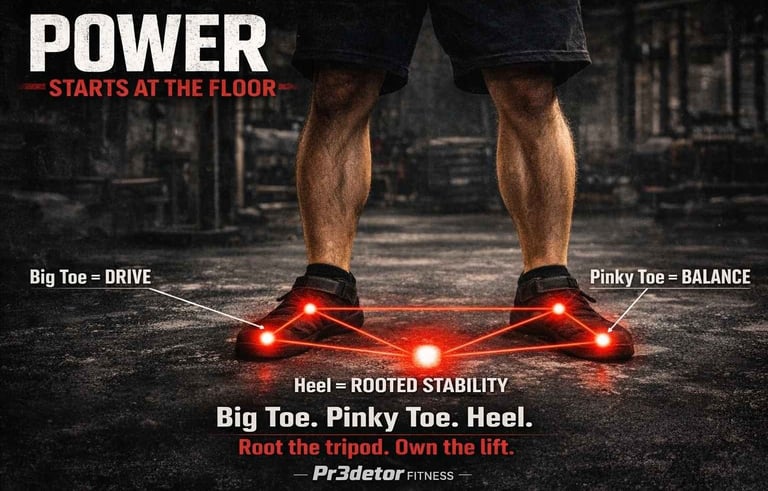
The foot tripod concept is a vital principle in understanding how to optimize balance and stability during lifts. This concept centers around three key points on the foot: the big toe, the little toe, and the heel. Together, these points form a triangular base that helps distribute weight evenly across the foot, contributing significantly to overall posture and balance during movement.
The big toe, commonly referred to as the hallux, plays an essential role in stabilizing the body's position during lifting activities. It is responsible for the initial push-off and helps maintain forward motion. Proper engagement of the big toe can lead to better leverage, enabling an individual to lift heavier weights while minimizing the risk of injury related to poor biomechanics.
The little toe, or fifth digit, while often overlooked, also contributes to balance and support. Engaging the little toe enhances the foot’s ability to grip the ground, providing additional stability, particularly during complex movements that require lateral support. Together with the big toe, it facilitates a two-point stabilization system that allows for an effective energy transfer through the foot and into the kinetic chain.
The heel serves as the third point, anchoring the foot to the ground and serving as a foundation for the body's weight. When all three points—the big toe, little toe, and heel—are activated properly, they create a stable platform from which to perform lifts. This configuration not only supports overall balance but also optimizes force production by allowing efficient energy transfer from the legs through the torso and into the movement. Understanding and applying the foot tripod concept can significantly enhance performance in lifting scenarios.
The Importance of Equal Pressure at All Three Points
Maintaining equal pressure across the three crucial contact points of the foot—the big toe, little toe, and heel—is of paramount importance during any type of lift. This balance is essential for creating a stable and efficient lifting foundation. When lifting weights, whether in powerlifting, Olympic lifting, or bodybuilding, how the body distributes its weight directly impacts not only the effectiveness of the movement but also the safety of the lifter.
Equal pressure helps ensure proper alignment and distribution of forces throughout the kinetic chain. If even one point—be it the big toe, the little toe, or the heel—is under or over-weighted, it can lead to instability. This imbalance can manifest in poor lifting mechanics, causing unnecessary strain on the muscles and joints. Furthermore, insufficient pressure at a specific point may trigger compensatory mechanisms in other parts of the body, which can spiral into chronic injuries over time.
Coaches Notes: Lets Learn!
If big toe loses pressure
arch collapses inward
tibia internally rotates
knee valgus (knee cave to find stability)
If little toe loses pressure
foot rolls outward
tibial externally roates
knee drifts outward to lock tension through lateral chain
If heel loses pressure
the ankle planterflexes
the knee shoots forward
the quads dominate and the hips lose levarage
all this equals BAD!
A common problem arises when lifters excessively lean to one side due to misaligned pressure. For example, a failure to maintain adequate pressure in the heel might result in the individual overemphasizing the big toe, leading to instability and potential injury. This instability can hinder overall performance and limit a lifter's ability to maximize their potential.
To mitigate the risk of injury and achieve optimal performance, athletes and trainers should prioritize equal pressure across these three points. Performing drills that enhance proprioceptive awareness can significantly aid in establishing this equilibrium. Focusing on foot positioning and actively engaging all three points during the lift can contribute to more stable and balanced movements, enabling athletes to improve their efficiency and reduce the likelihood of injury.
Consequences of Lifting with an Unbalanced Tripod
When engaging in weightlifting, maintaining a balanced tripod stance is crucial for optimal performance and injury prevention. The three points of this tripod are typically the left foot, right foot, and the pelvis. If one of these points fails to engage or is underutilized, it can lead to significant misalignments and subsequent consequences during a lift.
One of the most immediate effects of lifting with an unbalanced tripod is knee collapse. When pressure is not equally distributed, the knee joint may improperly bear the weight, leading to valgus or varus movements. This misalignment not only diminishes the efficiency of the lift but introduces a heightened risk for chronic ailments and acute injuries, including ligament strains or tears.
Additionally, hip shifts often occur when there is an imbalance in the tripod formation. Such shifts can result in one side of the body bearing more weight than the other, potentially inducing an imbalance in muscle recruitment. This condition may lead to overuse injuries on the dominant side of the body while simultaneously weakening the supporting structures on the less engaged side, further complicating overall lifting performance.
Another critical consequence of an unbalanced tripod relates to its impact on the spine. As lifting mechanics degrade due to improper alignment, excessive strain may be placed on the spinal column. Over time, such maladaptations can contribute to issues such as spinal disc herniation, chronic back pain, and compromised posture, all of which severely limit lifting capabilities.
To summarize, the misalignments stemming from an unbalanced tripod not only compromise lifting efficiency but also pose significant risks for injuries that could affect one's long-term health and fitness undertakings. A balanced tripod is essential to ensure that lifting is performed safely and effectively.
Mastering the Tripod for Enhanced Strength
To effectively master the tripod position, which serves as a foundational element for engaging leg pressure during lifts, it is essential to focus on the proper alignment and distribution of pressure through the feet. The tripod consists of three key contact points: the heel, the ball of the foot, and the outer edge of the foot. This technique not only enhances stability but also optimizes power transfer to the ground.
One beneficial drill for mastering the tripod is the "tripod balance drill." Begin by standing with your feet hip-width apart and lifting one foot slightly off the ground, maintaining contact on the tripod points of the planted foot. This exercise hones balance and helps lifters to develop a greater awareness of how their foot structure contributes to strength generation. Practicing this drill regularly will reinforce the proper foot position necessary for effective lifting.
Additionally, incorporating exercises such as the single-leg deadlift can further enhance control over foot pressure. During this exercise, the lifter must focus on actively pressing through the tripod points of the standing leg, thereby allowing for a complete engagement of all stabilizing muscles and enhancing overall strength. It is also advisable to utilize visual or tactile cues to reinforce the importance of maintaining a solid footing. For instance, sticking a small piece of tape on the floor can help individuals identify where they should concentrate pressure during various lifts.
Finally, seeking feedback from a coach or a training partner can provide further insights into foot positioning and pressure application. They may observe nuances that the lifter is unaware of, enabling adjustments that promote better strength execution. By mastering the tripod, lifters can significantly improve their overall lifting mechanics, resulting in enhanced performance and reduced risk of injury.
Building on the Foundation of Leg Pressure
Leg pressure is an integral aspect of strength training that serves as the foundation for all lifting exercises. A thorough understanding and mastery of leg pressure not only enhance individual performance but also contribute to overall strength improvement across various training modalities. When lifters focus on generating adequate leg pressure, they create a stable base that allows for more effective force transfer during lifts.
Firstly, leg pressure aids in achieving better positioning. In exercises such as squats and deadlifts, applying consistent leg pressure ensures that the lifter maintains proper form. This alignment is crucial, as it prevents injury and allows the targeted muscles to engage fully. The transfer of force through the legs, which are among the largest muscle groups in the body, is essential for executing lifts with efficiency. Hence, mastering leg pressure translates into increased performance not only in strength-focused routines but also in explosive movements seen in Olympic weightlifting.
Furthermore, the significance of leg pressure is evident in various supporting lifts and auxiliary exercises. For instance, leg press and lunges emphasize similar principles of leg engagement and stability. By honing leg pressure techniques, athletes often experience improved progress in accessory movements, which, when executed correctly, build muscle endurance and enhance muscular balance. This accumulated strength can lead to advancements in raw lifting capacity, impacting personal records and overall fitness goals.
In conclusion, a solid understanding of leg pressure acts as a robust foundation for developing strength in lifting practices. It influences not only the mechanics of individual movements but also the overall progress and efficiency of a lifter's training regimen. Consequently, prioritizing leg pressure mastery becomes essential for those pursuing greater strength outcomes in a structured training program.
Conclusion: The Path to Better Lifting
In conclusion, understanding and applying the principle of leg pressure is essential for anyone seeking to enhance their lifting capabilities. The focus on achieving effective tripod mechanics not only contributes to successful lifts but also minimizes the risk of injury. When lifters prioritize leg pressure, they establish a strong base which is crucial for executing lifts with both strength and stability. This foundational aspect allows for greater control and power transfer, ultimately leading to better overall performance in various lifting disciplines.
Throughout this post, we have explored the significance of leg pressure and how it forms the cornerstone of every effective lift. By utilizing the mechanics of the feet — namely, the heel, the ball, and the outer edge — lifters can significantly improve their ability to generate force. This tripod mechanism not only supports individual lifts but also fosters a deeper understanding of body dynamics and alignment during exercise.
Readers are encouraged to invest time in developing proper leg pressure techniques to unlock their full lifting potential. Training routines should incorporate drills and exercises aimed at enhancing foot mechanics, which will aid in solidifying muscle memory. Moreover, adopting a mindset that prioritizes leg pressure will set the stage for long-term progress and success in strength training. By making leg pressure a priority, lifters can ensure they have a robust foundation that supports their passion for lifting, empowering them to reach new heights in their fitness journey. Listen below for details!

PR3DETOR
Tribe-Driven. Archetype-Based. Challenge-Built.
Privacy Policy
(C) 2026 Pr3detor. All rights reserved.
Support: Support@pr3detor.com Built for the Tribe.
LEGAL
About Us