
Forged Under Pressure: Why the Strongest Lifters are Made, Not Born!
"Forge Archetype"
Coach Gabe
3/18/20269 min read


Understanding the Forge Archetype: Characteristics of Elite Lifters
Elite lifters embody the qualities associated with the forge archetype, a concept that signifies the intricate interplay between physical prowess, mental fortitude, and emotional resilience. Characteristics of this archetype are often manifested in both male and female athletes who have dedicated themselves to the art of lifting. First and foremost, physical attributes such as strength, endurance, and flexibility play a pivotal role in defining a successful lifter. While genetics can provide an initial advantage, it is through rigorous training, disciplined nutrition, and consistent practice that these athletes truly flourish.
However, physical capabilities alone do not categorize a lifter as elite; mental toughness is equally critical. The forge archetype thrives in the face of adversity, viewing challenges as opportunities for growth. These athletes possess the ability to push through pain and fatigue, maintaining focus and motivation even during setbacks. This mental resolve is often cultivated through structured training regimens that include progressively increasing weights, competition simulations, and techniques aimed at enhancing concentration.
Emotional resilience is another defining feature of elite lifters. They demonstrate a unique capacity to manage stress and anxiety associated with competition and training. This emotional strength enables them to maintain composure under pressure, fostering a mindset that is geared towards success rather than fear of failure. Moreover, these lifters often exhibit stereotypical traits such as competitiveness, determination, and a commitment to continuous improvement, distinguishing them from their peers. Their approach to training is characterized by a relentless pursuit of perfection, wherein every lift is an opportunity to refine technique and enhance performance.
The Power of Adversity: How Challenges Shape Lifters
In the realm of strength training, the significance of overcoming adversity cannot be overstated. Adversity often manifests as injuries, personal losses, or performance setbacks, serving as pivotal moments that test a lifter's resilience. Such challenges forge not only physical strength but also mental fortitude, which is essential for success in weightlifting.
One notable example is that of a well-known professional powerlifter who suffered a severe injury during a competition. This individual faced immense physical pain and the emotional burden of potentially having to start from scratch. Instead of succumbing to despair, they utilized this setback as a catalyst for growth. Through rigorous rehabilitation, they developed not only their body but also a profound understanding of their limits and capabilities. This journey transformed them into a lifter who not only excelled in competitions but also inspired many others facing similar challenges.
Coaches Notes: You want to see what a Forge Archetype Athlete is. Lets visit the legendary comeback story of Kevin Levrone's chest tear right of the bone,(look it up) told career is over, he was finished, and yet he returned to place in the top-3 at the world's biggest stage only months later.
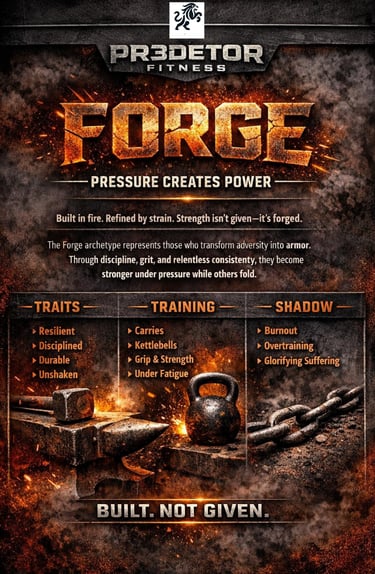
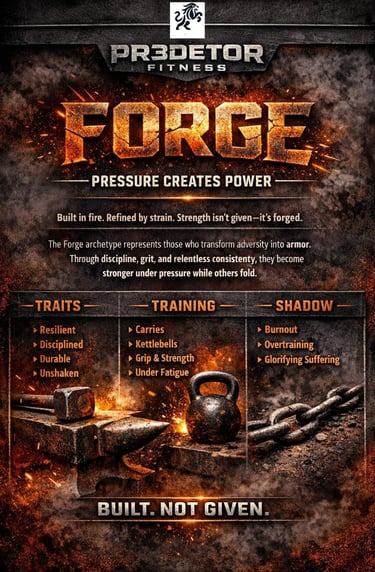
View this image and see what the Forge really is the character traits, the training, and also the shadow or the pitfall of the Forge as it relates to fitness.
It is simple athletes. A forge archetype is about taking what's broken and reforging it into something stronger. Mr. Levrone didn't just "heal." he reconstructed his entire pressing chain from scratch!
The character-building aspect of dealing with adversity is also evident in athletes who have experienced personal losses. These lifters often channel their grief into their training, using it as motivation to push their limits. This psychological transformation, arising from personal hardship, can propel lifters to achieve extraordinary feats. By confronting these emotional challenges head-on, they often emerge stronger, both mentally and physically.
Performance setbacks, such as failing to achieve a personal record or being outperformed by others, can equally serve as powerful motivators. These experiences teach invaluable lessons about persistence and the importance of setting realistic goals, fostering a growth mindset among athletes. In embracing and overcoming such adversities, lifters truly embody the principle that strength is made, not inherent. But truly no adversity is greater than overcoming your limitations, your fears, and your mindset after injury! I can personally attest to this myself!
The Plateau Phenomenon: Overcoming Difficult Periods in Training
In the world of strength training, lifters often encounter a common hurdle known as the plateau phenomenon. This occurs when individuals experience stagnation in their muscle growth or strength gains, despite consistent effort and adherence to their training regimen. Such plateaus can be disheartening, as they may lead to frustration and demotivation. However, understanding the underlying causes of these plateaus is essential for forging ahead.
Plateaus can stem from various factors, including the body’s adaptation to training stimuli, insufficient variation in routine, or even inadequate recovery periods. Over time, as lifters continue to impose the same demands on their bodies, the muscles can become accustomed to these stresses, resulting in diminished returns on strength and muscle development. Therefore, it is crucial for lifters to implement strategic changes in their training methods to spur progress.
One effective approach involves incorporating variation into training programs. This can be achieved by changing the intensity, volume, or type of exercises. Lifters can also introduce techniques such as supersets, drop sets, or circuit training to provide new challenges for their muscles. Additionally, focusing on mental strategies can significantly enhance resilience during these tough periods. Utilizing goal-setting, visualization, or positive self-talk can help maintain motivation and perseverance when faced with obstacles.
It is vital for lifters to remember that persistence plays a crucial role in overcoming plateaus. By staying dedicated to their training and adopting a flexible mindset, lifters can navigate these challenging times and emerge stronger. Harnessing a combination of strategic variations, mental fortitude, and a commitment to resilience can ultimately lead to breakthroughs in muscle growth and strength, reinforcing the idea that the strongest lifters are indeed made, not born.
Long Training Cycles: The Foundation of a Forge Lifter
The journey of becoming a strong lifter is rarely defined by quick gains or instantaneous results; rather, it is the product of long training cycles that foster endurance, technique, and strength over time. Long training cycles serve as the bedrock upon which lifting prowess is built. Through sustained commitment and consistent effort, athletes have the opportunity to refine their skills and effectively manage their progress.
One of the primary benefits of enduring long training cycles is the enhancement of muscular endurance. As athletes engage in repetitive lifting patterns over extended periods, their muscles adapt to increased loads, leading to greater stamina. This endurance is vital not only for lifting heavier weights but also for maintaining proper form throughout each session. For instance, a seasoned lifter may share that patience in their initial phases allowed them to build a solid foundation of endurance that proved essential during advanced training phases.
Moreover, long training cycles emphasize the significance of mastering lifting techniques, which is crucial for both performance and injury prevention. Athletes who commit to extended training periods often find that time allows them to analyze and perfect their form. A former competitor noted the importance of patience, stating that an extra few weeks focused on technique made a substantial difference in their overall strength and safety during lifting. This highlights the reality that truly great lifters understand the invaluable role of precision in their training routines.
In conclusion, the foundation of a strong lifter is intricately tied to long training cycles. Through persistence, athletes enhance their endurance, perfect their techniques, and ultimately, pave their path to strength. The stories of experienced lifters underscore the necessity of patience and perseverance in the forging process, proving that through time and dedication, strength is indeed cultivated, not merely inherited.
Coaches Insight: Bruce Lee Sate- "I fear not the man who has practiced 10,000 kicks once, but I fear the man who has practiced one kick 10,000 times."
What can we take away from this the Forge archeytype approach is long, simple, and repetitive!
The Mindset of a Forge Lifter: Embracing Progress Through Patience
The journey of a forge lifter is often seen as an arduous path characterized by relentless perseverance. At its core lies a mindset that prioritizes consistent, incremental progress over the allure of quick wins. Such a mindset is essential for both physical and mental resilience. Forge lifters understand that success does not occur overnight but is cultivated through patience and deliberate effort.
One of the fundamental mental strategies employed by forge lifters is goal-setting. By establishing both short-term and long-term objectives, they create a clear roadmap for their training regimen. These goals serve not only as motivation but also as benchmarks for progress. It is crucial for forge lifters to make these goals specific, measurable, attainable, relevant, and time-bound (SMART). This structured approach ensures that their ambitions remain realistic, fostering a stronger commitment to their transformative journey.
Self-reflection plays an equally vital role in the mindset of a forge lifter. Regularly evaluating their performance helps them identify strengths and areas for improvement. This introspective practice encourages a growth-oriented perspective, allowing them to learn from setbacks rather than view them as failures. Additionally, documenting workouts and tracking achievements fosters a deeper connection to their progress, highlighting how far they’ve come through perseverance.
Celebrating small victories is another important aspect of the forge lifter's mindset. Each step, no matter how trivial it may seem, contributes to the overarching goal of becoming a stronger individual. Recognizing and celebrating these milestones reinforces motivation, cultivating a positive mentality that propels forge lifters toward greater challenges.
Ultimately, embracing the journey with patience and a resilient spirit enables forge lifters to achieve sustainable growth and success in their lifting pursuits. As they cultivate this mindset, they continually develop not just their strength but also their character, embodying the true essence of what it means to be a forge lifter.
Building a Support System: Community and Coaching
In the realm of strength training and competitive lifting, the importance of a robust support system cannot be overstated. Fitness journeys, particularly those involving heavy lifting, can be fraught with challenges that test not only physical capabilities but also mental fortitude. Thus, the critical role of coaches, training partners, and fitness communities becomes apparent in fostering strength and resilience.
Coaches serve as invaluable resources in the pursuit of lifting excellence. They offer technical guidance, nutritional advice, and personalized training plans, tailored to the individual lifter’s needs. Beyond their expertise, coaches provide motivation and accountability, pushing lifters to realize their potential. An effective coach recognizes the psychological barriers that can hinder progress and employs strategies to help athletes overcome these obstacles.
Training partners also contribute significantly to a lifter’s success. The camaraderie formed within a training environment enhances motivation and encourages healthy competition, essential for pushing personal boundaries. When lifters train with partners who share similar goals, they foster a positive atmosphere that uplifts morale, enhances commitment, and creates a sense of accountability. This dynamic is particularly vital during challenging training cycles when motivation may wane.
Moreover, the influence of fitness communities should not be underestimated. Engaging with like-minded individuals allows lifters to share experiences, exchange advice, and gain emotional support. Community involvement can enhance the mental resilience necessary to withstand setbacks, providing encouragement during times of difficulty. Online platforms and local groups create avenues for interaction and collective growth, reinforcing the notion that strength is not just a solitary pursuit.
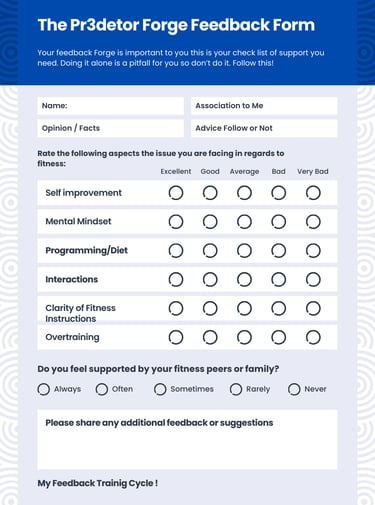
Together, these components of a support system lay a foundation for developing mental toughness and enhancing performance. A strong support network empowers lifters to navigate the physical and psychological demands of their journey, fostering an environment where individuals can thrive and realize their aspirations in strength training.
Conclusion: The Journey of the Forge Lifter
In evaluating the path towards becoming a strong lifter, we recognize that this journey is far from a mere physical transformation; it is fundamentally a process of personal growth and resilience. The strongest lifters are often those who have faced significant adversities, whether it be in the form of physical challenges or mental barriers. This forging process underscores the principle that strength is cultivated through experience and relentless effort, rather than a predetermined genetic disposition.
The significance of embracing long-term training cycles cannot be overstated. Strength training is not an isolated event but a lifelong commitment that requires consistency and patience. Within these cycles, lifters progressively build their capabilities by setting and achieving incremental goals. Such an approach not only fosters physical adaptations but also enhances mental fortitude, as lifters learn to confront and overcome the inevitable plateaus and struggles they will encounter along their journey.
Additionally, cultivating a resilient mindset is crucial for anyone pursuing strength. This mindset enables individuals to find motivation even during difficult times, teaching them to view challenges as opportunities for growth rather than obstacles. Embracing this perspective can empower lifters to persist in their training and remain committed to their goals, regardless of their current strength level.
Pr3detor encourages readers to engage in their own journey toward becoming stronger lifters, emphasizing that strength is not a finite resource bestowed upon a select few. Rather, it is something that can be developed with intention and dedicated effort. As one embarks on this path, they may find themselves more resilient, not just in their physical endeavors, but in various aspects of life as well.
PR3DETOR
Tribe-Driven. Archetype-Based. Challenge-Built.
Privacy Policy
(C) 2026 Pr3detor. All rights reserved.
Support: Support@pr3detor.com Built for the Tribe.
LEGAL
About Us