
Food Scale Evolution: From Ancestral Balance to Modern Precision in Weight Loss Rituals
"Scale"
Coach Gabe
12/8/20257 min read


Ancestral Balance Scales: Origin of Measurement
The evolution of food scales has roots deeply embedded in human history, with balance scales serving as one of the earliest tools for measuring weight. Originating thousands of years ago, these ancient devices symbolized not only precision in measurement but also a societal commitment to fairness and equality. Early civilizations recognized that accurate measurement was essential for the equitable distribution of resources, particularly food. As a result, balance scales became integral to trade and daily life, ensuring that each individual received a fair share of goods.
These rudimentary scales typically consisted of a beam balanced on a fulcrum, with weights placed on one side and items to be measured on the other. This simple yet effective design allowed individuals to assess food quantities, fostering a nascent awareness of portion control. Such awareness was central to the development of early human behaviors surrounding food intake. As communities grew, the practice of weighing food not only influenced personal consumption habits but also impacted social interactions, reinforcing the ritual of balance as a foundational aspect of communal life.
The symbolic representation of balance has persisted throughout history, often transcending its practical use. In many cultures, the act of weighing food has come to represent self-regulation and mindfulness regarding dietary practices. It established a connection between individuals and their food sources, emphasizing the importance of conscious consumption. As the philosophy of balance permeated societal norms, it paved the way for subsequent advancements in measurement technology, ultimately leading to modern precision scales utilized in weight loss rituals today. This evolution highlights the significance of ancient practices in shaping contemporary attitudes towards food and measurement, underscoring the intrinsic human desire for harmony and moderation in our relationship with food.
Mechanical Dial Scales: Industrial Strength Meets Nutrition
The advent of mechanical dial scales marked a significant turning point in the way food was measured and prepared in households. Emerging during the industrial era, these scales embodied a blend of industrial strength and precision, enabling users to achieve a level of accuracy in food measurement that previous methods could not offer. Prior to this development, most people relied on rudimentary techniques such as estimating the weight based on volume or using traditional balances that could be difficult to manage. The introduction of mechanical dial scales revolutionized cooking practices by providing a simple, reliable way to ensure accurate measurements.
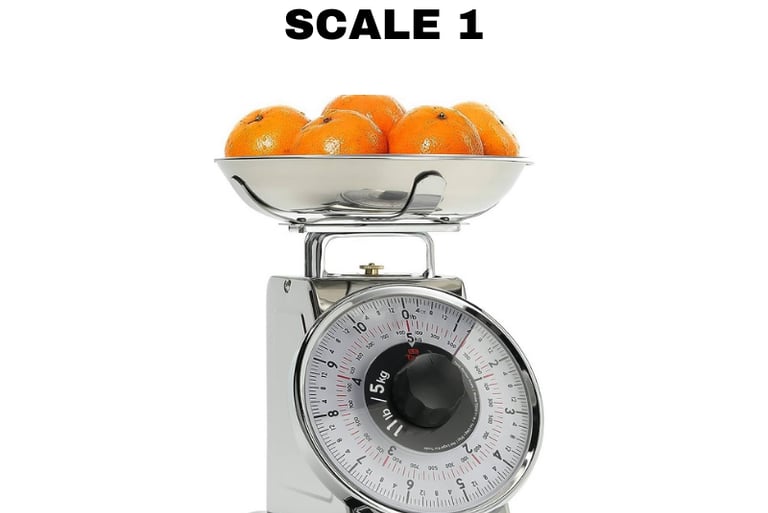
Mechanical dial scales typically featured a large, easily readable dial and a pan for food placement, allowing individuals to make adjustments and read weights with remarkable ease. This shift to standardized measurements directly influenced culinary practices, as recipes could now be followed with greater accuracy and when looking into nutrition, users became more conscious of the quantities of various ingredients. With food portions becoming more consistently measured, households began to see improvements in nutrition, as people started to better monitor their dietary intake. This consistency was particularly important during an era where industrial food production was on the rise, leading to significant changes in food sourcing and preparation.
As mechanical dial scales grew in popularity, they paved the way for a new approach to cooking and nutrition. The transition from traditional measuring methods to a mechanical system not only elevated the culinary arts but also raised awareness about the importance of precise food portions in maintaining health and facilitating weight loss. Today, mechanical dial scales continue to be regarded for their durability and reliability, symbolizing the evolution of food measurement practices that have adapted over time. Their legacy persists as they influence modern precision in weight loss rituals, demonstrating the importance of accurate food measurement in achieving health goals.
Digital Food Scales: Precision for Modern Weight Loss
The advent of digital food scales has revolutionized the way individuals approach weight loss and nutrition. Unlike traditional balance scales, which rely on analog mechanisms, digital food scales provide users with precise measurements within a fraction of a gram. This technological leap eliminates much of the guesswork involved in food portioning, thereby empowering users to make informed decisions about their dietary habits.
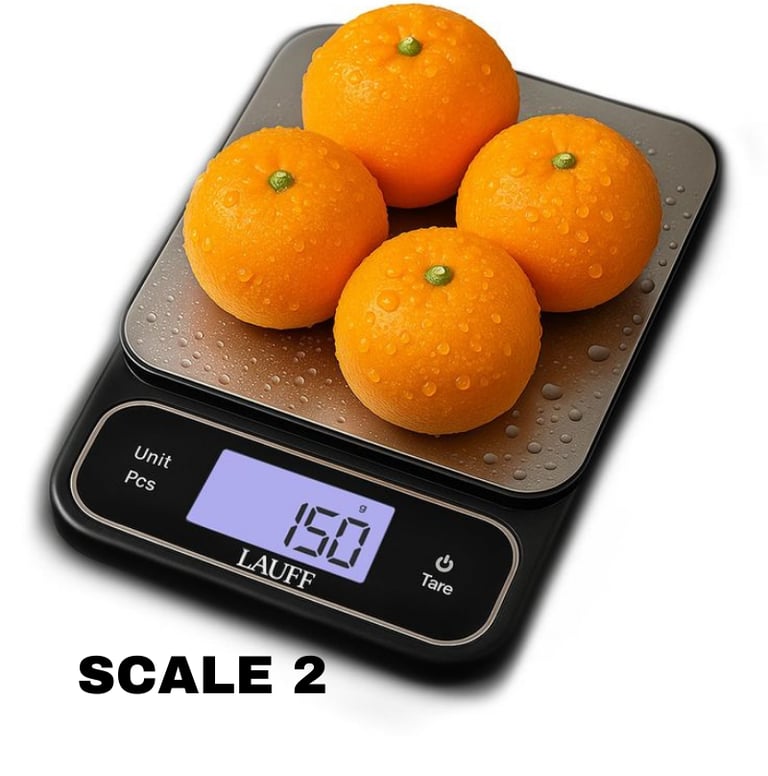
Digital food scales are equipped with advanced features that cater to the rigorous needs of modern dieters. Many models include tare functions, allowing users to subtract the weight of containers, thereby ensuring that only the food itself is measured. Additionally, some scales offer nutritional data that can assist users in tracking their caloric intake and macronutrient distribution. This level of detail is particularly important for those engaged in weight loss rituals, as it facilitates a greater awareness of the foods they consume.
*Coach tip for weight scales:
1. Zero the Scale(always hit tare before adding food)
2. Add food directly to plate instead of separate measuring (saves time)
3. Lock the number immediately into your app or log book round to nearest 5g for speed. Precision matters less than CONSISTENCY!
The precision provided by digital food scales is also instrumental in fostering healthier eating habits. By maintaining an accurate record of food portions, individuals can identify patterns in their eating behaviors and make necessary adjustments. For instance, the ability to weigh ingredients for meal prepping ensures that users adhere to recommended portion sizes, which is often a challenge in today's fast-paced lifestyle. Furthermore, digital scales can be synced with mobile applications, allowing for seamless integration of data tracking and monitoring.
Incorporating a digital food scale into daily routines significantly enhances accountability in weight loss efforts. By knowing exact quantities, individuals can avoid common pitfalls associated with estimation, which can lead to overeating or nutritional imbalances. Thus, these modern tools not only simplify the process of measuring food but also play a critical role in guiding individuals toward better nutrition and sustainable weight management.
Why Food Scales Matter for Weight Loss
Food scales have emerged as an essential tool for individuals embarking on weight loss journeys. Their significance lies in their ability to promote accurate portion control, which is crucial for managing caloric intake. By measuring food portions, users can avoid the pitfalls of overestimating or underestimating serving sizes, allowing for more consistent adherence to dietary plans. This level of precision is particularly vital in a world where food marketing often blurs the lines of understanding nutritional values.
Calorie counting is another area where food scales demonstrate their utility. Keeping track of caloric intake becomes more manageable when users have the means to weigh their food accurately. Many weight loss strategies emphasize the significance of monitoring energy balance—calories consumed versus calories expended. A food scale assists in facilitating this balance by providing data that users can rely on to make informed dietary choices. Consequently, this aspect of food scales serves not only to bolster success in weight loss but also fosters a greater understanding of food composition.
Moreover, the psychological benefits associated with using food scales cannot be overlooked. For many, the act of measuring food provides a sense of control and accountability in their eating habits. It encourages mindfulness around food choices, transforming the approach to meals from a passive to an active practice. As individuals become more aware of how much they eat, they often develop healthier relationships with food, which can lead to sustainable weight loss over time. Thus, the integration of food scales into daily routines not only supports practical aspects of weight management but also enhances the psychological framework underlying successful dietary changes.
Pr3detor Fitness Ritual: Tracking Transformation Through Tools
The Pr3detor fitness ritual represents a modern approach to health and weight management, championing the use of precise tracking tools, including food scales, to ensure effective transformation in both diet and physique. This ritual emphasizes the principle of consistency, encouraging individuals to adopt mindful practices in their daily routines for better outcomes. By integrating food scales into the regimen, participants can attain a clearer understanding of portion sizes and caloric intake, which is crucial for reaching their fitness goals.
At its core, the Pr3detor fitness ritual advocates for accountability as a key component of successful weight loss. The incorporation of food scales allows individuals to monitor their progress with accuracy, fostering a sense of responsibility towards one’s dietary choices. This practice not only helps in managing caloric consumption but also aids in fostering a healthy relationship with food. When individuals regularly weigh their meals and snacks, it reinforces awareness of food quality and quantity, which is integral to achieving sustainable weight management.
Moreover, the ritual emphasizes the importance of utilizing a variety of tracking tools beyond just food scales. Applications and journals are commonly employed to log not only weight but also physical activities and emotional triggers surrounding food consumption. This holistic approach ensures that participants can identify patterns that may impact their transformation journey, ultimately leading to more informed decisions regarding their health and well-being.
In summary, the Pr3detor fitness ritual equips individuals with the necessary tools to track their transformations effectively. By merging the use of food scales with a commitment to consistency and accountability, participants can create a sustainable framework for weight management that promotes long-term success while embracing a healthier lifestyle.
Why It's an Absolute Must to Have a Food Scale
In a world increasingly focused on health and nutrition, the importance of accurate measurement cannot be overstated. A food scale serves as an essential tool in the kitchens of individuals striving to improve their dietary habits and achieve specific health goals. This simple yet effective device offers unparalleled convenience, enabling users to precisely measure ingredients and serve sizes, thus facilitating more accurate calorie counting and macronutrient tracking.
The accuracy provided by a food scale supports healthier eating patterns by removing the guesswork often associated with portion control. Unlike traditional measuring cups, which can vary significantly in terms of how much they hold, a scale offers a definitive weight measurement. This precision is vital for anyone following caloric limitations or trying to adhere to specific dietary methodologies, such as ketogenic or bodybuilding diets. As such, users can develop a clearer understanding of their food consumption, ultimately making informed choices tailored to their individual health needs.
Additionally, the educational value of utilizing a food scale cannot be overlooked. By measuring portions, individuals can gain insights into how different foods contribute to their overall nutritional intake. This fosters a deeper awareness of food quality and quantity, empowering better decision-making in meal preparation. Over time, this practice not only enhances cooking skills but also enriches one’s relationship with food.
Incorporating a food scale into daily routines thus yields long-term benefits that extend beyond temporary weight loss goals. By embracing this tool, individuals actively invest in their health and well-being, ensuring consistency and precision in their dietary practices. Therefore, for those committed to fostering healthier lifestyles, a food scale is not merely a convenience; it is an indispensable resource that significantly enhances the journey toward improved health and nutrition.
Take a look at a side by side comparison of these scale images. Both scales are effective so choose on that fits your budget or style. How do you know what 5 oz is really 5oz perfect statement made by one of my students this morning great question. Guess what she is right! How do you know if you don't weigh it?
PR3DETOR
Tribe-Driven. Archetype-Based. Challenge-Built.
Privacy Policy
(C) 2026 Pr3detor. All rights reserved.
Support: Support@pr3detor.com Built for the Tribe.
LEGAL
About Us