
Drained by Estrogen? How Hormones Shape Motivation and Output in Fitness
"Estrogen"
Coach Gabe
11/27/20259 min read
The Influence of Estrogen Levels on Energy
Estrogen plays a critical role in regulating energy levels within the body, significantly impacting metabolism and overall energy expenditure. This hormone influences several physiological mechanisms that affect how the body stores and utilizes energy, particularly through its effects on fat storage and glucose metabolism. Research indicates that higher levels of estrogen are associated with improved insulin sensitivity, leading to more efficient glucose uptake in cells. This process is essential for energy production and can positively influence physical performance and motivation during workouts.
Moreover, estrogen affects the body’s ability to store fat. It has been shown to promote the storage of body fat in women, particularly during reproductive years, while simultaneously aiding in fat distribution in a manner that preserves energy reserves. This dual role of estrogen in fat management can subsequently impact energy availability, as excess fat stores are metabolically active and contribute to overall energy expenditure. As a result, adequate estrogen levels can help maintain a balanced energy state, which is vital for high levels of physical activity.
Another significant aspect of estrogen’s influence on energy is its relationship with other hormones involved in energy regulation. It interacts with hormones like cortisol and thyroid hormones, both of which are essential for metabolism. Furthermore, the levels of estrogen fluctuate across different phases of the menstrual cycle, leading to variations in energy levels. For instance, many women report feeling more energetic during the follicular phase, when estrogen levels are rising, and experience decreased energy during the luteal phase, when levels of both estrogen and progesterone are higher. Understanding these hormonal fluctuations is important for optimizing fitness routines and enhancing motivation throughout the menstrual cycle.
Understanding Recovery and Estrogen
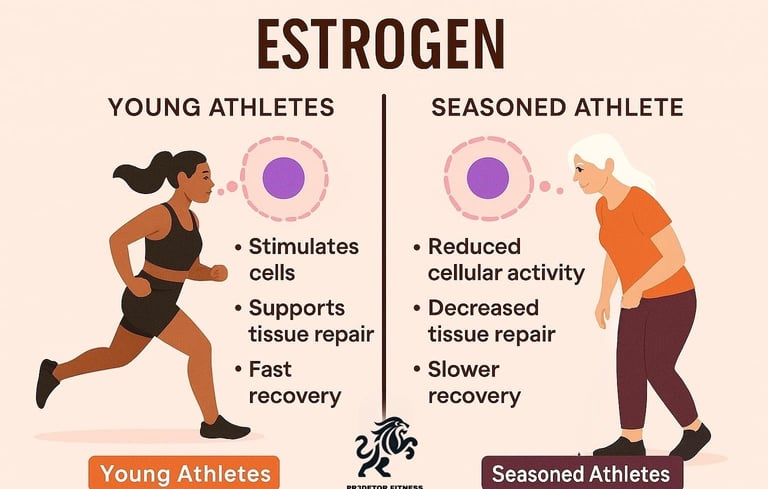
Estrogen plays a pivotal role in the recovery process following exercise, influencing various physiological mechanisms essential for optimal muscle repair and overall wellness. This hormone is produced predominantly in the ovaries and is known to help regulate important factors that contribute to post-exercise recovery, including inflammation and muscle soreness. The presence of estrogen in the body has been linked to a reduction in markers of inflammation, which can expedite recovery times after strenuous workouts.
One of the key benefits of estrogen is its capacity to facilitate muscle repair by promoting satellite cell activation. Satellite cells are essential for muscle regeneration and repair following exercise-induced damage. When estrogen levels are adequate, these cells respond more effectively, contributing to quicker recovery and less muscle soreness. Consequently, women, particularly those in their reproductive years, may experience different recovery times compared to their male counterparts, largely due to hormonal fluctuations that affect how the body responds to physical stressors.
Moreover, the timing of estrogen fluctuations throughout the menstrual cycle can significantly impact recovery. Research indicates that during the follicular phase, when estrogen levels are on the rise, individuals may encounter enhanced recovery outcomes compared to the luteal phase, when hormonal levels fluctuate. Understanding these rhythms can help in planning exercise regimens that align with optimal recovery phases, potentially improving workout effectiveness and minimizing fatigue.
Additionally, estrogen influences the body's stress response mechanisms, which can either facilitate or impede recovery depending on the individual's hormonal state. The interaction between estrogen and cortisol, a hormone released in response to stress, can determine how resilient one's body is to the challenges posed by intense training sessions. Recognizing the ways estrogen shapes recovery can empower individuals to tailor their fitness approaches, ultimately achieving their desired outcomes more effectively.
*Coach Tip- Athletes in general-Align and track period cycle phases, not only training load. Very important for athletes prior to menopause.
* Aged athletes must use joint health focus yoga, Pilates, stretching, and cardio such as walking, swimming to maintain cardiovascular health and stamina. Example: Alternate heavy training days with restorative sessions(mobility, yoga, light cardio).
The Impact of Estrogen on Brute Strength
Estrogen, primarily recognized for its role in reproductive health, significantly influences muscle physiology and strength. Understanding the impact of estrogen on brute strength involves examining how it affects muscle hypertrophy—the increase in muscle size through the growth of existing muscle fibers. Scientific research indicates that estrogen interacts with several biological pathways that contribute to muscle development and repair. For instance, estrogen can enhance the proliferation and differentiation of satellite cells, which are essential for muscle regeneration after exercise.
Moreover, estrogen is known to regulate the expression of various growth factors involved in muscle repair and hypertrophy, such as Insulin-like Growth Factor 1 (IGF-1) and Mitogen-Activated Protein Kinases (MAPK). These factors orchestrate the processes that enable muscle fibers to grow in response to resistance training. Studies have shown that individuals with higher estrogen levels tend to experience more significant muscle hypertrophy in comparison to those with lower levels. This discrepancy can be attributed to the hormone’s ability to modulate muscle protein synthesis and reduce protein breakdown, leading to more effective results from strength training protocols.
Comparatively, individuals with low estrogen levels often face challenges in achieving optimal strength outcomes. Lower levels of this hormone can hinder muscle recovery and adaptation, resulting in reduced overall strength gains. These differences highlight the importance of hormonal balance for those pursuing fitness and strength goals. By maintaining appropriate estrogen levels through lifestyle choices, such as nutrition and exercise, individuals can create a conducive environment for strength development. Ultimately, recognizing the impact of estrogen on brute strength serves as a crucial element in understanding personal fitness journeys.
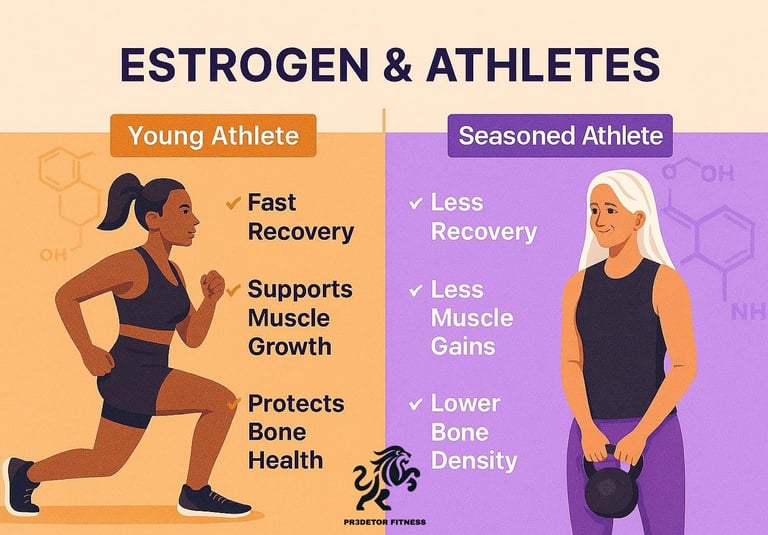
Coach notes: Young athletes can leverage natural estrogen peaks for faster recovery.
Young (exploit peaks: schedule heavy compound lifts when estrogen is high).
Aged (prioritize recovery: longer rest intervals, active recovery, mobility, light cardio)
Young (push intensity: anti-inflammatory effects reduce soreness
Aged (Joint protection: focus joint health, controlled tempo lifts, and more accessory work
Young (neuromuscular edge: use explosive lifts supported by motor unit recruitment kettlebell snatch, cleans, jerks etc.)
Aged (Strength maintenance: use progressive overload with low volume
Aged (Hormonal sensitivity: Resistance training itself helps normalize estrogen metabolism improving
anabolic response.
anabolic means=building up in this case muscle size.
Energy Systems and Endurance: The Hormonal Link
Estrogen plays a pivotal role in the regulation of energy systems within the human body, particularly concerning endurance training. The body primarily utilizes two energy systems—the anaerobic and aerobic systems. The anaerobic system is engaged during high-intensity activities, relying on quick bursts of energy without the need for oxygen. Conversely, the aerobic system becomes essential during prolonged, lower-intensity exercise, where oxygen serves as a critical component for energy production.
Fluctuations in estrogen levels can notably impact these energy systems, influencing an individual's stamina and overall performance in endurance sports. During phases of higher estrogen, such as certain points in the menstrual cycle, researchers have shown that women often experience improved fat oxidation capabilities. This enhanced fat burning during aerobic activities can provide a more stable energy supply over extended periods, thereby optimizing endurance performance.
Moreover, estrogen influences the body’s response to training adaptations. Enhanced insulin sensitivity associated with elevated estrogen levels may facilitate better glucose utilization, resulting in increased energy availability for prolonged physical activity. This hormonal interaction encourages the body to tap into fatty acids for fuel, sparing glycogen reserves and reducing fatigue onset in endurance exercises.
While the positive effects of estrogen on endurance capabilities are evident, it is essential to recognize that hormonal fluctuations can vary widely among individuals. For some, these changes may lead to decreased energy availability or altered performance outcomes. Understanding the hormonal link to energy systems sheds light on how estrogen significantly shapes athletic motivation and output, ultimately affecting training strategies in endurance sports.
Motivation and Mental Drive: The Estrogen Connection
Estrogen, a vital hormone predominantly associated with female reproductive health, plays a significant role in influencing motivation and mental drive, particularly in the context of fitness. Research indicates that fluctuations in estrogen levels can have profound effects on mood, emotional resilience, and overall goal-oriented behavior. Understanding the relationship between estrogen and motivation is essential for comprehending how hormonal balance can impact performance in physical training.
Higher levels of estrogen are often linked to improved mood and increased feelings of well-being, which can directly translate into enhanced motivation. This hormonal state can foster a positive mindset and encourage individuals to set ambitious fitness goals. Conversely, lower estrogen levels may lead to elevated feelings of fatigue, irritability, and reduced emotional stability, which can hinder motivation and diminish the desire to engage in physical activity. Hence, the hormonal fluctuations associated with different phases of the menstrual cycle can significantly influence women’s motivation to exercise and adhere to their fitness regimens.
Moreover, estrogen's impact extends beyond mood to also encompass mental focus and cognitive function. During periods of optimal estrogen levels, cognitive capabilities such as concentration and decision-making may see improvement. This enhanced mental clarity can empower individuals to push through challenging training sessions, focus on performance objectives, and remain resilient in the face of setbacks. In contrast, hormonal changes, especially in the lead-up to menstruation, might result in decreased focus and increased distraction, potentially undermining an individual's drive to pursue fitness goals.
The implications of these hormonal changes indicate that understanding one's hormonal health is crucial for optimizing motivation in fitness endeavors. Tailoring workout regimes based on hormonal phases can enhance mental drive and ensure a consistent performance output. Hence, recognizing the connection between estrogen, motivation, and mental resilience can empower individuals to adapt their approach to training and achieve their fitness objectives more effectively.
Coach Notes: The mental in both athletes!
Young-motivation surges must be harnessed
Aged-stress reduction
Young-Prevent burnout
Aged-Resilience rituals
Young-cycle awareness by journaling
Aged-Identity anchoring such as (Pr3detor Fitness 5-Archetypes)
Strength Gains and Brute Power: Navigating Hormonal Variations
The complex interplay between hormones and physical performance is a critical area of study in sports science. Estrogen, often underestimated in its role in strength gains, influences muscle development and overall power output. Research indicates that hormonal fluctuations, particularly variations in estrogen levels, can significantly impact an athlete's ability to gain strength and exhibit brute power.
Estrogen aids in muscle recovery and repair, processes vital for strength development. Higher estrogen levels can enhance collagen synthesis, promoting connective tissue resilience, which can indirectly support strength training. This hormonal support provides a conducive environment for muscle adaptations in response to exercise stimuli, ultimately contributing to improved strength. Moreover, during the luteal phase of the menstrual cycle, when estrogen levels are relatively high, athletes may experience variations in energy and strength levels, which influence training outcomes.
Additionally, the interaction of estrogen with other hormones, including testosterone, further complicates the relationship between hormonal variations and strength gains. While testosterone is often viewed as the dominant hormone for muscle growth, estrogen plays a complementary role. Elevating strength gains can manifest differently based on individual hormonal profiles; therefore, tailoring training regimens to account for these hormonal fluctuations can enhance performance outcomes. For example, athletes may find that altering their training intensity and volume during specific phases of their menstrual cycle can lead to optimized results.
Understanding how estrogen and other hormones affect strength development allows athletes to make informed decisions about their training strategies. By acknowledging these hormonal variations, athletes can harness their body’s natural cycles to maximize strength gains and overall fitness performance.
Cycle-Based Training Strategies for Optimal Performance
Understanding the menstrual cycle is crucial for tailoring training regimens that consider the physiological changes women experience. The menstrual cycle can be divided into several phases, each characterized by distinct hormonal fluctuations, particularly estrogen and progesterone. These fluctuations significantly impact performance, recovery, strength, and motivation. By aligning training programs with the menstrual cycle, individuals can maximize their fitness outcomes.
In the follicular phase, which begins on the first day of menstruation and continues until ovulation, estrogen levels rise. This is a period often associated with increased energy, mood elevation, and improved strength. During this phase, moderate to high-intensity workouts, such as resistance training and high-intensity interval training (HIIT), can yield optimal results. Athletes may benefit from focusing on strength-building exercises, as increased estrogen supports muscle gain and recovery.
Following ovulation, the luteal phase begins, characterized by heightened levels of progesterone and fluctuating estrogen levels. Some may experience fatigue, mood swings, and a decrease in motivation during this time. It is advisable to adjust training intensity in response to individual feelings of fatigue or discomfort. Shift the focus from high-intensity workouts to moderate, lower impact sessions such as yoga, pilates, or cardiovascular training at a steady pace. These activities aid recovery and promote relaxation while still providing engaging physical activity.
Finally, during the premenstrual phase, many individuals experience symptoms of PMS, which can further influence training capacity. Light exercise during this period, focusing on flexibility and low-impact workouts, can be beneficial. Listening to one's body and adapting training goals to the cyclical nature of the menstrual cycle can facilitate better overall performance. By implementing these cycle-based training strategies, women can achieve more balanced fitness outcomes, optimize their motivation, and enhance their overall well-being.
Coach Notes: How do we train then?
Young- Cycle-based programming
Aged-Recovery 1st programming
Young-Mental driven hacks
Aged-Strategic maintenance
Aged- Mental driven Hacks
Team, this is a very difficult idea to explain on paper, the context for what you need as a young athlete(f) or and aged(veteran f) is here. What is not here is how programming actually takes place and why. This is why you must hire a coach. One final thought: seek a coach as to seek a mechanic- not because we lack the engine, but we need the right hands to tune it, align it, and unleash its full power. (Coach Gabe).
PR3DETOR
Tribe-Driven. Archetype-Based. Challenge-Built.
Privacy Policy
(C) 2026 Pr3detor. All rights reserved.
Support: Support@pr3detor.com Built for the Tribe.
LEGAL
About Us